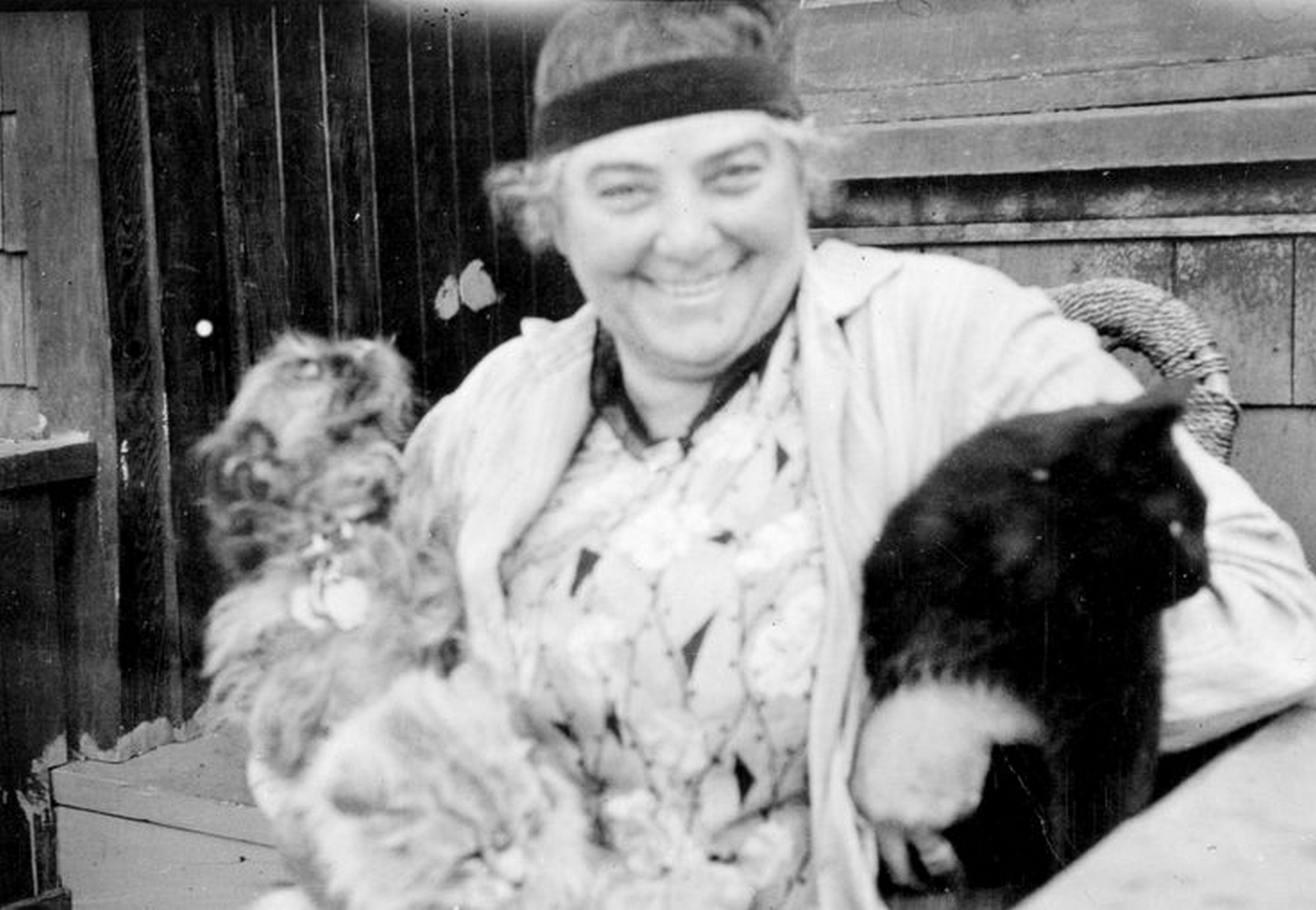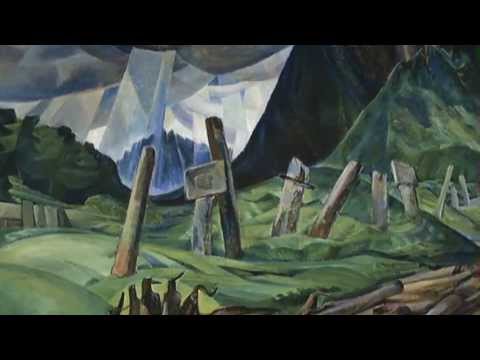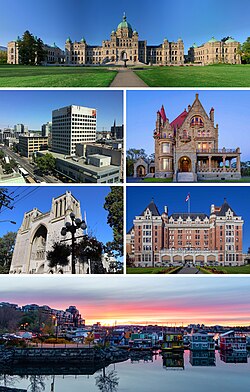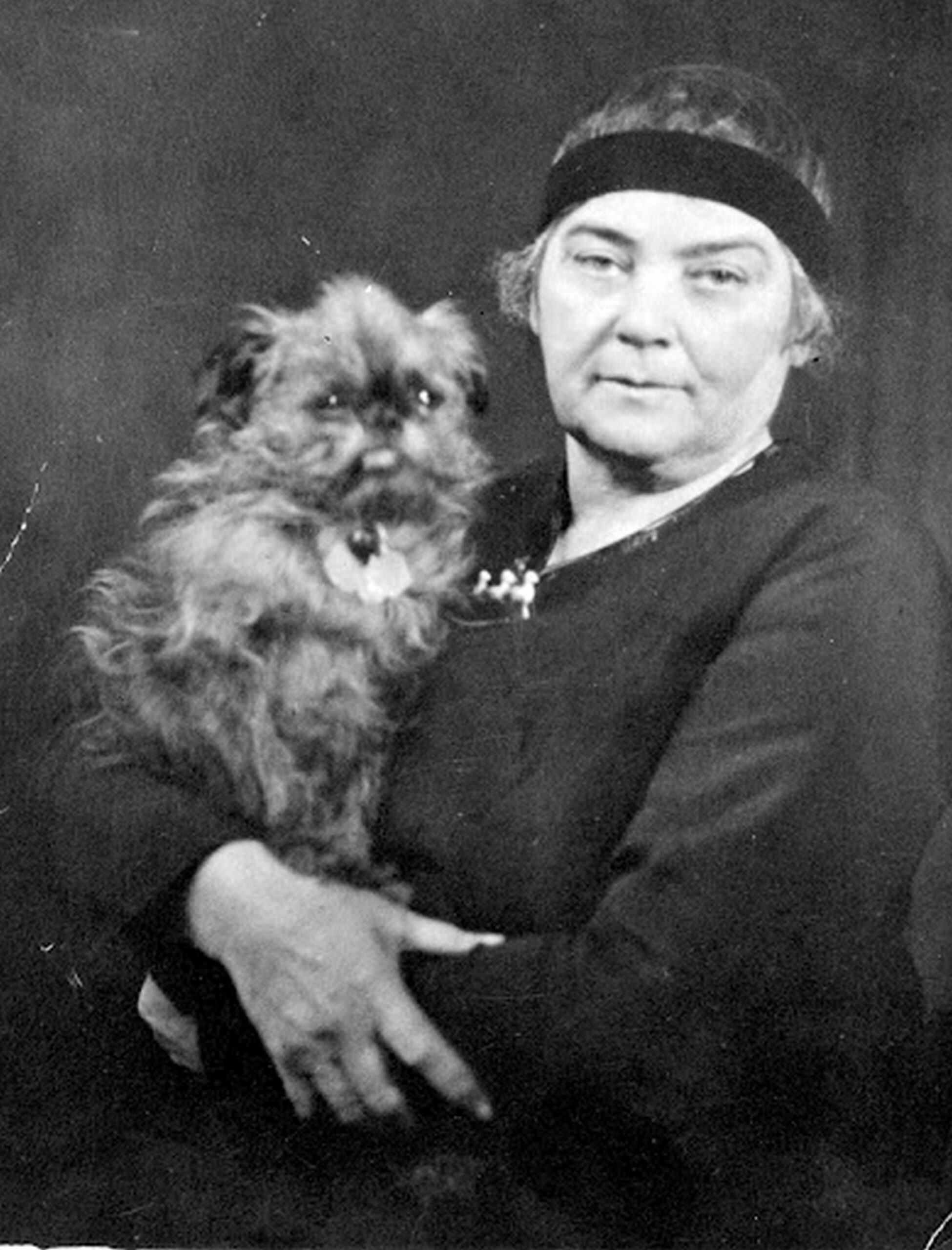
Emily Carr (1871–1945) was a pioneering Canadian artist and writer, best known for her depictions of Indigenous cultures and the landscapes of British Columbia. Born in Victoria, British Columbia, on December 13, 1871, Carr grew up in a conservative, English colonial family. She showed an early interest in art, which led her to study in San Francisco, England, and later France, where she was exposed to Post-Impressionism and modernist ideas that significantly influenced her work.Carr’s art focused on the Indigenous peoples of the Pacific Northwest and the vast landscapes of British Columbia. She traveled extensively to remote Indigenous villages, sketching and painting their totem poles, villages, and coastal landscapes. Her work demonstrated a deep respect for Indigenous culture, though she faced challenges from both colonial society and the European art world for her unconventional subjects.Carr was initially isolated and struggled for recognition. In the early 20th century, her work was not well received, and she turned to other means of support, such as running a boarding house and raising dogs. It wasn’t until the 1920s, after meeting members of the Group of Seven—Canada’s most famous modernist landscape painters—that she gained wider recognition. Her work began to be exhibited alongside the Group of Seven, and her bold, expressive style, characterized by swirling shapes and vibrant colors, began to attract attention.Besides being an accomplished painter, Carr was also a writer. In the 1930s, when her health declined, she began writing extensively about her life and experiences. Her most famous book, Klee Wyck (1941), a collection of stories about her encounters with Indigenous people, won the Governor General’s Award for Literary Merit. Her writing often reflected the same themes as her painting: nature, Indigenous culture, and her deep spiritual connection to the land.Emily Carr died on March 2, 1945, but her legacy endures. She is now considered one of Canada’s most important artists, known for her contributions to both the visual arts and literature. Her work continues to be celebrated for its profound connection to the landscapes and cultures of the Canadian West Coast, as well as for its influence on Canadian modern art.
Art is art, nature is nature, you cannot improve upon it.... Pictures should be inspired by nature, but made in the soul of the artist. It is the soul of the individual that counts.