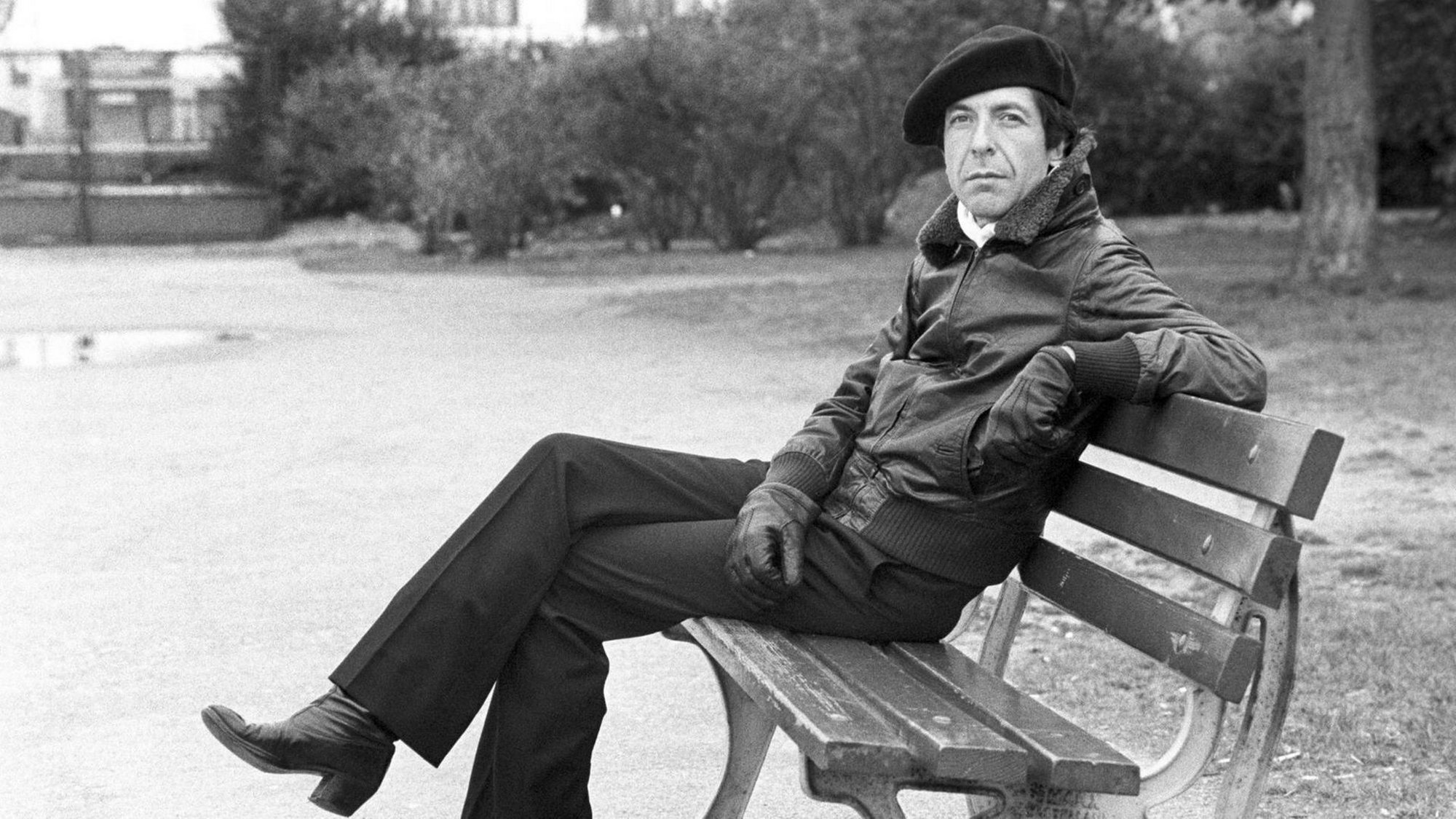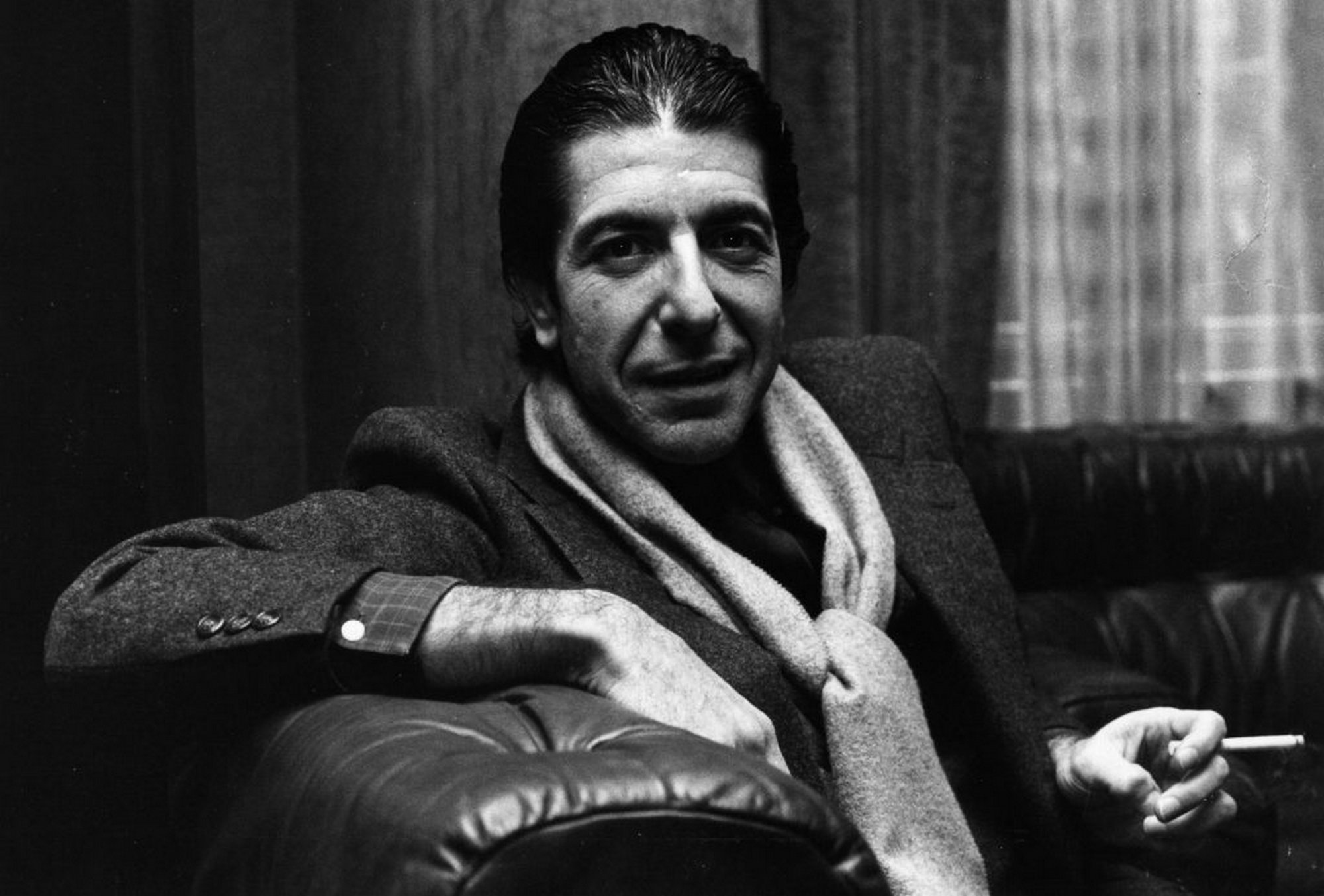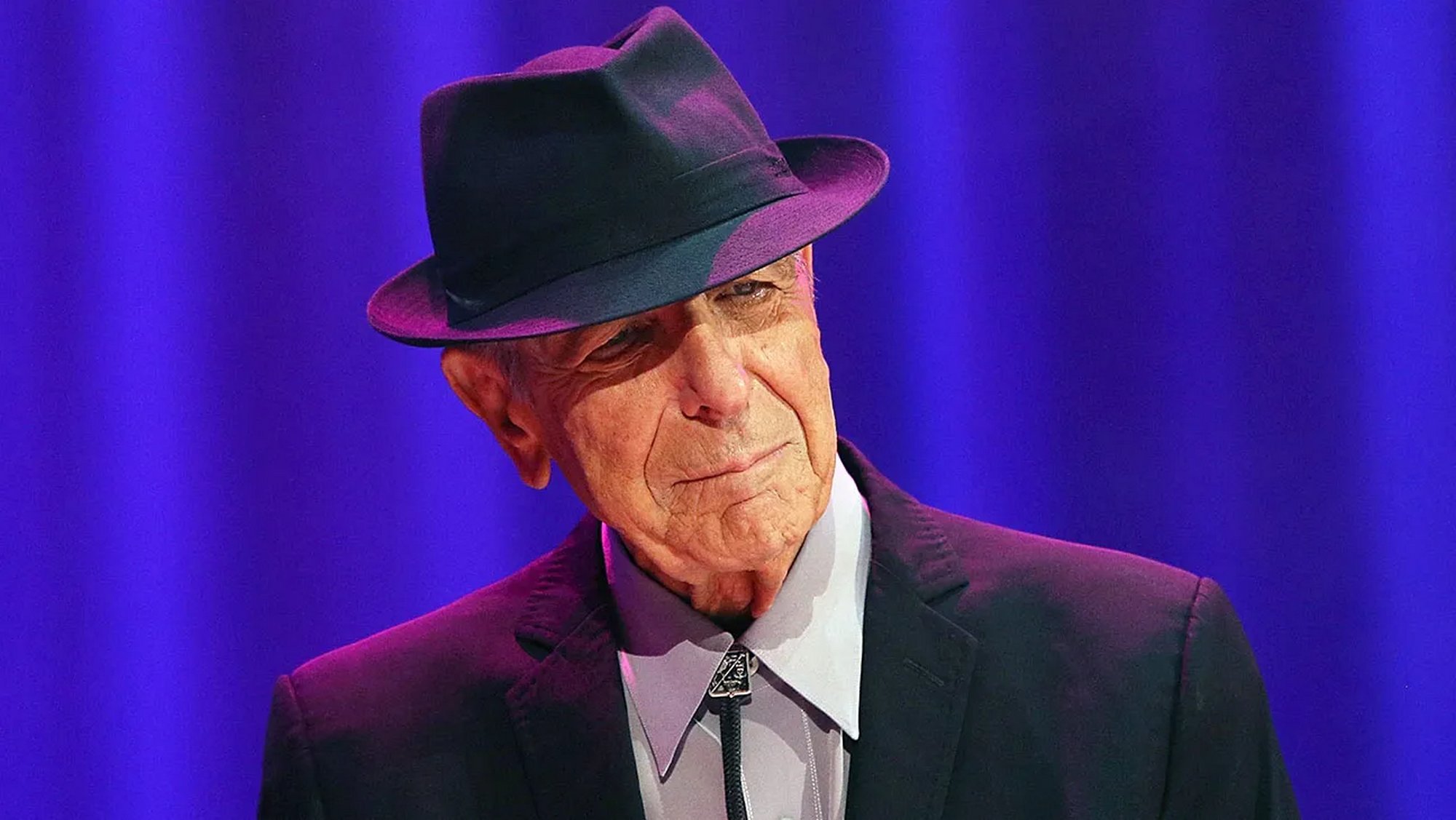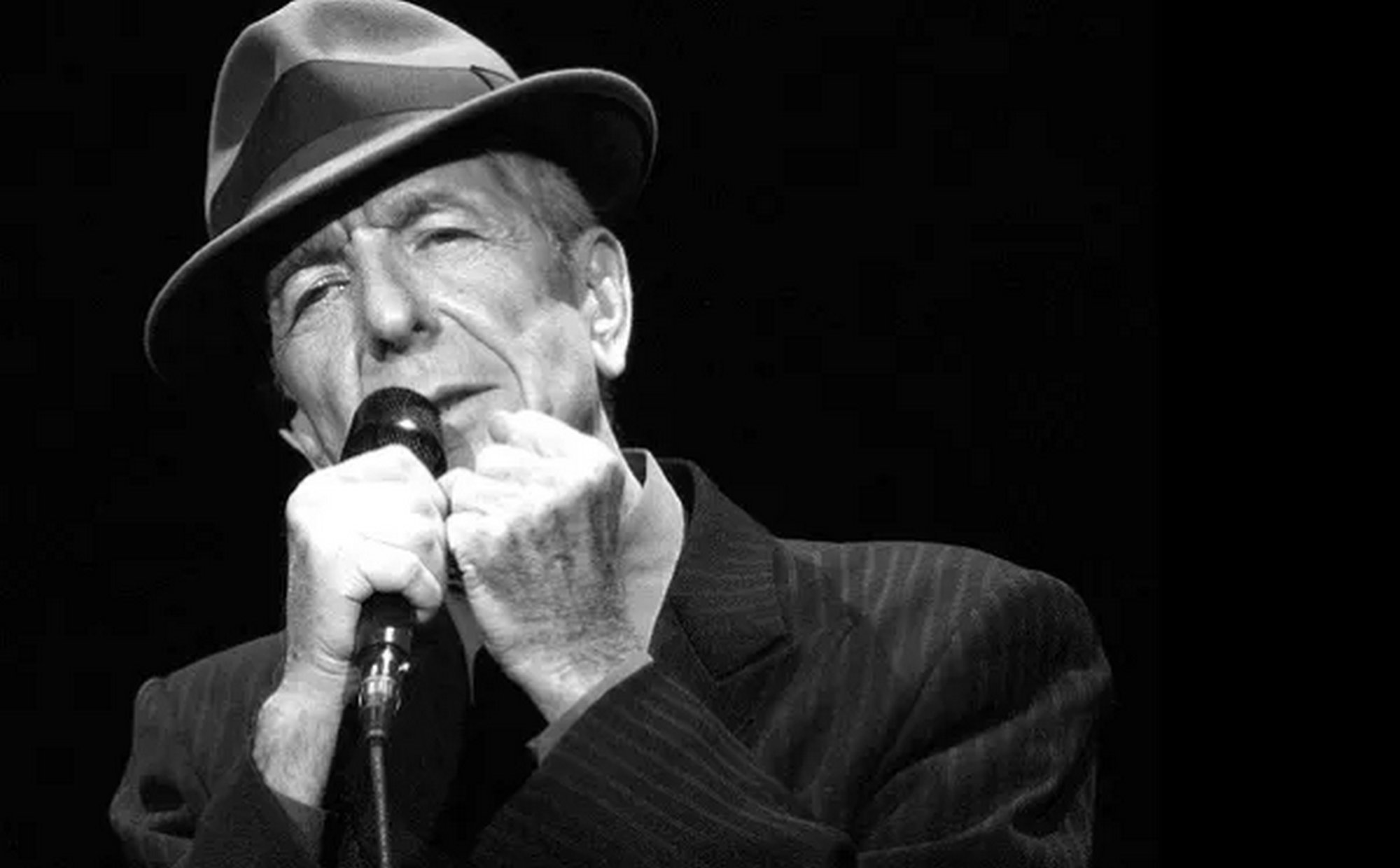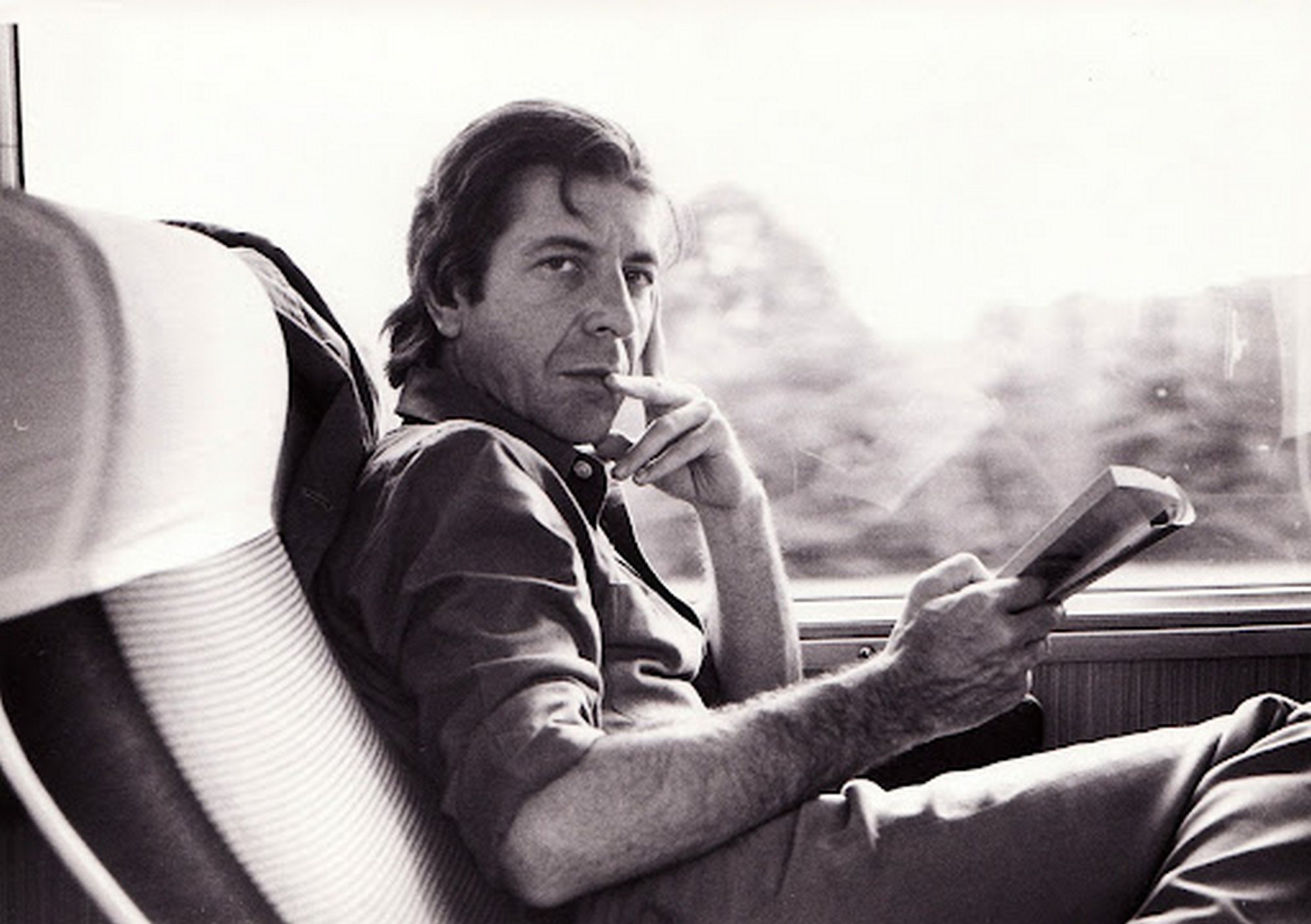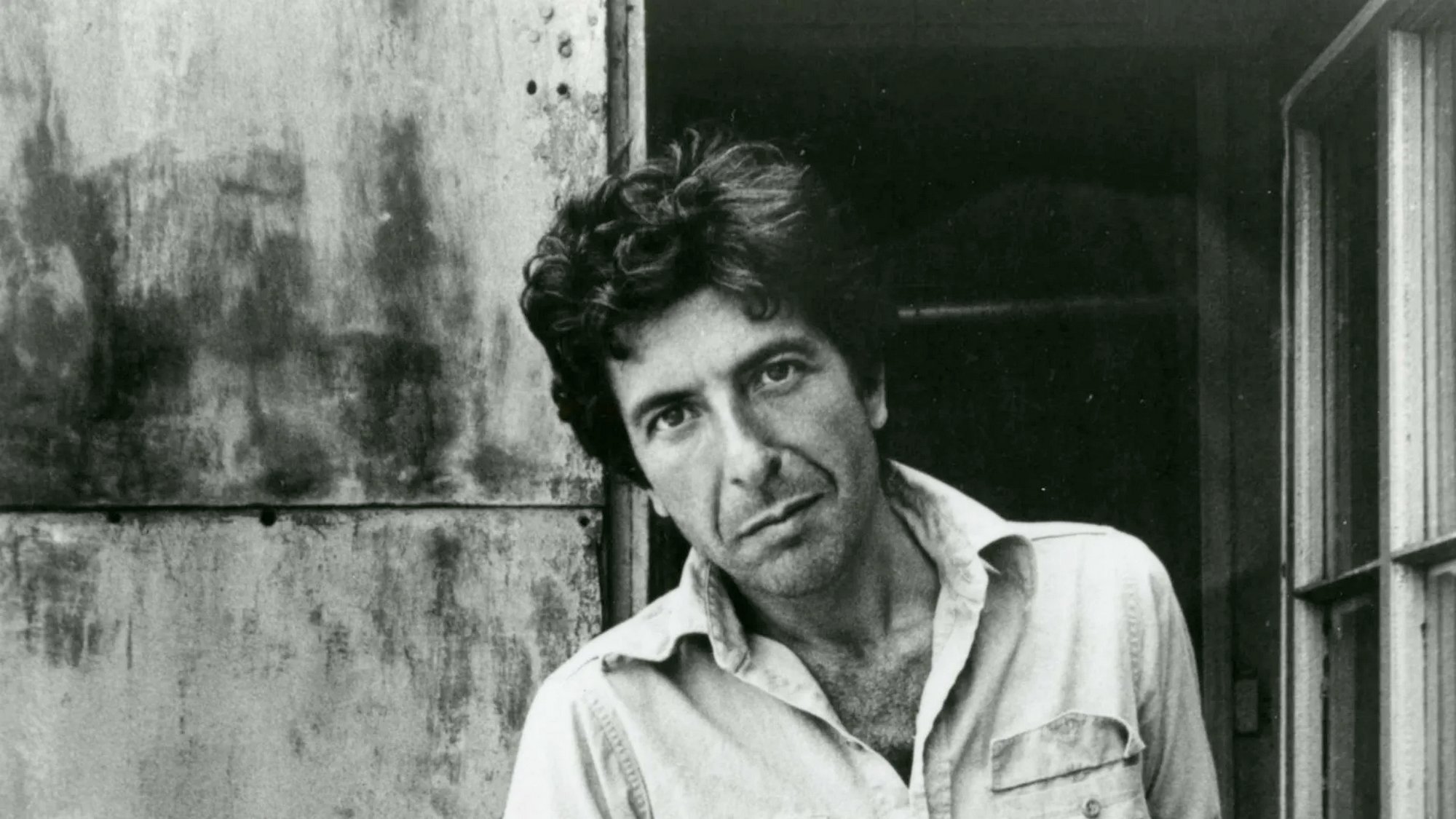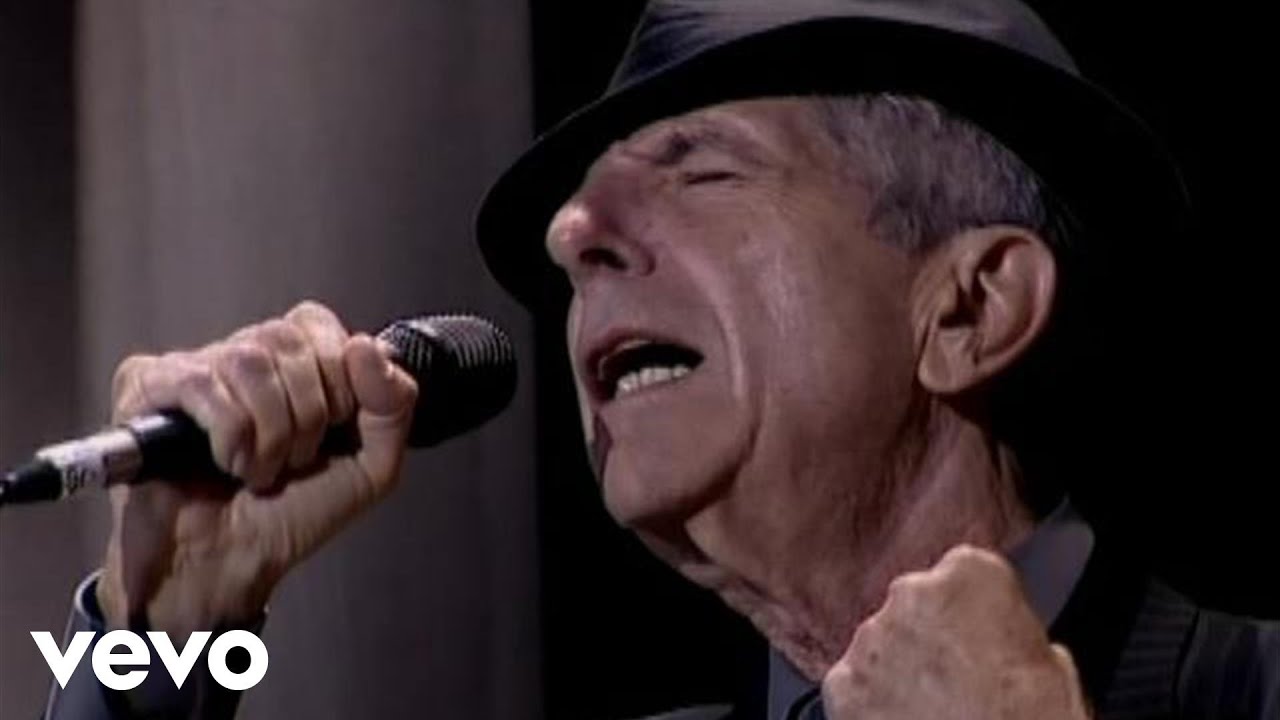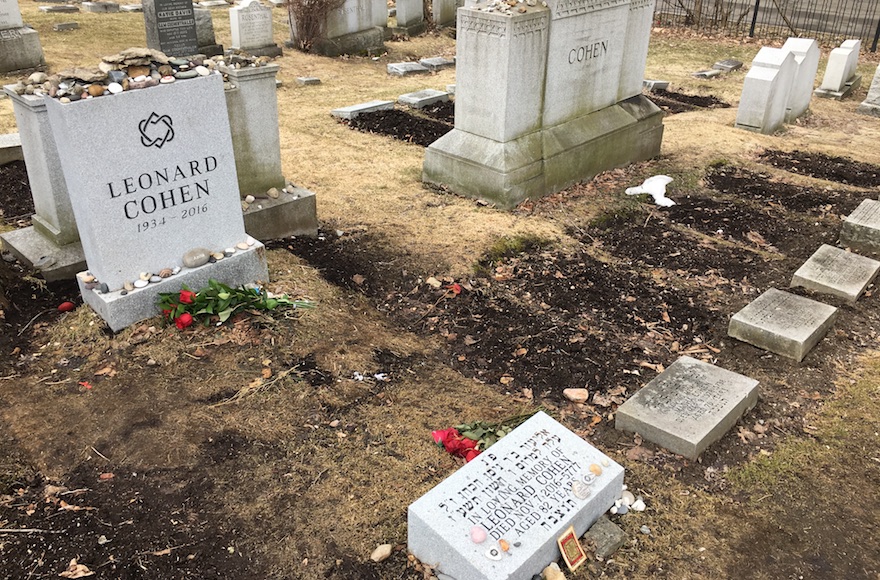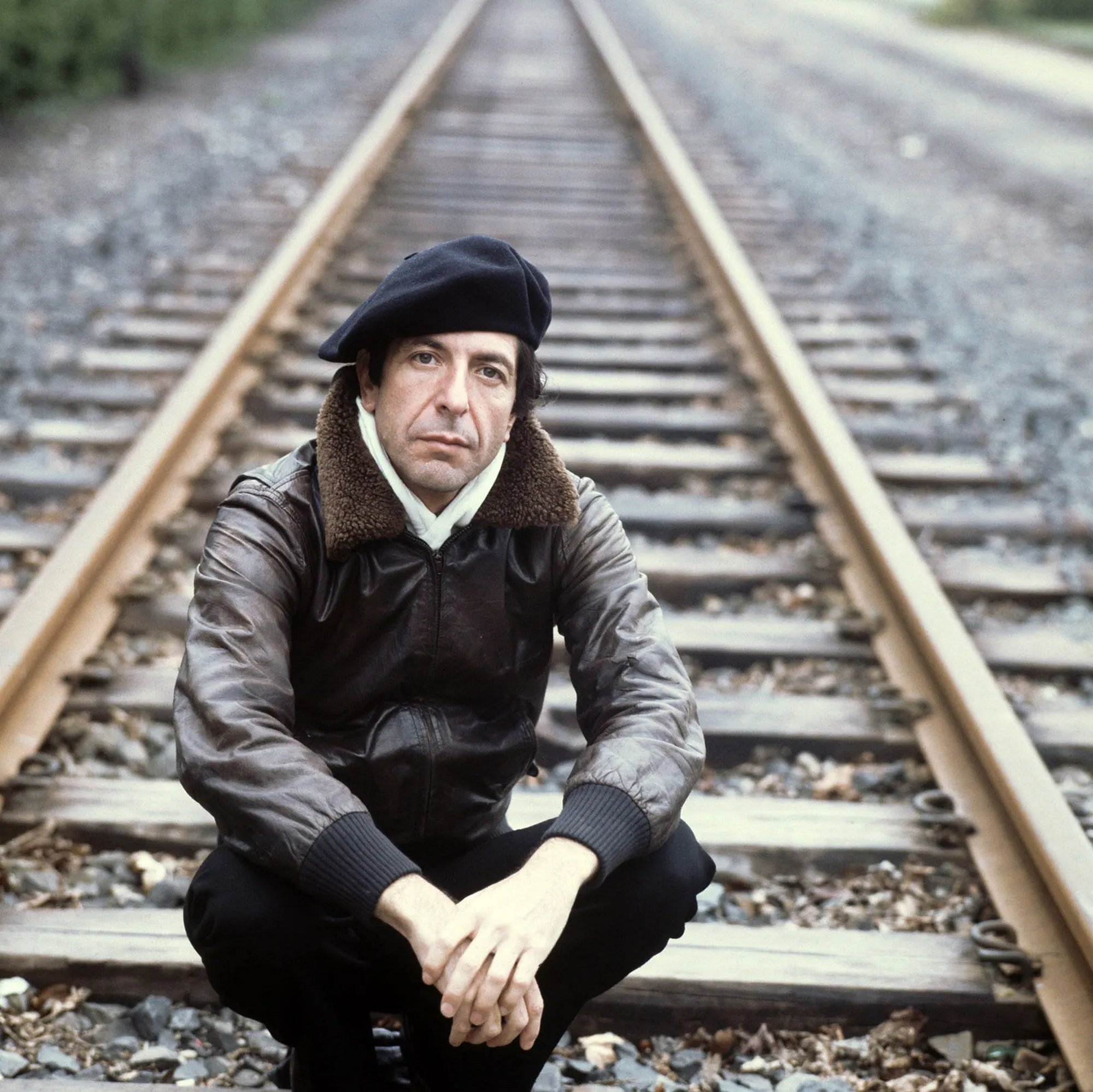
Leonard Cohen was born on September 21, 1934, in Westmount, a suburb of Montreal, Quebec, into a Jewish family. His early life was influenced by both his religious upbringing and the cultural milieu of Montreal. Cohen’s father, who passed away when Leonard was just nine, left behind a significant absence in his life, one that would deeply affect his poetry and songwriting.Cohen attended Westmount High School, where his interest in literature began to take root. He later enrolled at McGill University, studying English literature. It was during this time that he became involved in the literary scene, publishing his first poems and beginning to develop his voice as a writer. His first collection of poetry, *Let Us Compare Mythologies*, was published in 1956, when he was just 22 years old.Although Cohen initially focused on his literary ambitions, publishing several more volumes of poetry and two novels, *The Favourite Game* (1963) and *Beautiful Losers* (1966), he gradually shifted towards music. In the late 1960s, Cohen moved to the United States, where he began to establish himself as a singer-songwriter. His first album, *Songs of Leonard Cohen* (1967), featured iconic tracks like “Suzanne” and “Sisters of Mercy” and introduced the world to his distinctive style—haunting, poetic lyrics delivered in a deep, resonant voice.Cohen’s music was deeply introspective, often reflecting themes of love, spirituality, religion, and loss. He was influenced by a range of musical genres, from folk to rock to country, and was known for the spiritual and philosophical depth of his lyrics. His song “Hallelujah,” released in 1984, became one of the most covered songs in modern history and remains a testament to his lyrical genius.Throughout his life, Cohen continued to explore religious themes, particularly drawing on his Jewish heritage and a fascination with Buddhism. In the 1990s, he retreated to a Zen Buddhist monastery in California for several years, which significantly influenced his later work.Despite periods of retreat and personal struggles, Cohen remained a vital figure in music for decades, releasing critically acclaimed albums such as *I’m Your Man* (1988) and *Ten New Songs* (2001). His final album, *You Want It Darker*, was released in 2016, just a few weeks before his death on November 7, 2016.Cohen’s legacy is one of profound intellectual and emotional depth, bridging the worlds of literature, music, and spiritual inquiry. His work has inspired generations of artists and continues to resonate with listeners for its beauty, wisdom, and humanity.
When you stop thinking about yourself all the time, a certain sense of repose overtakes you.