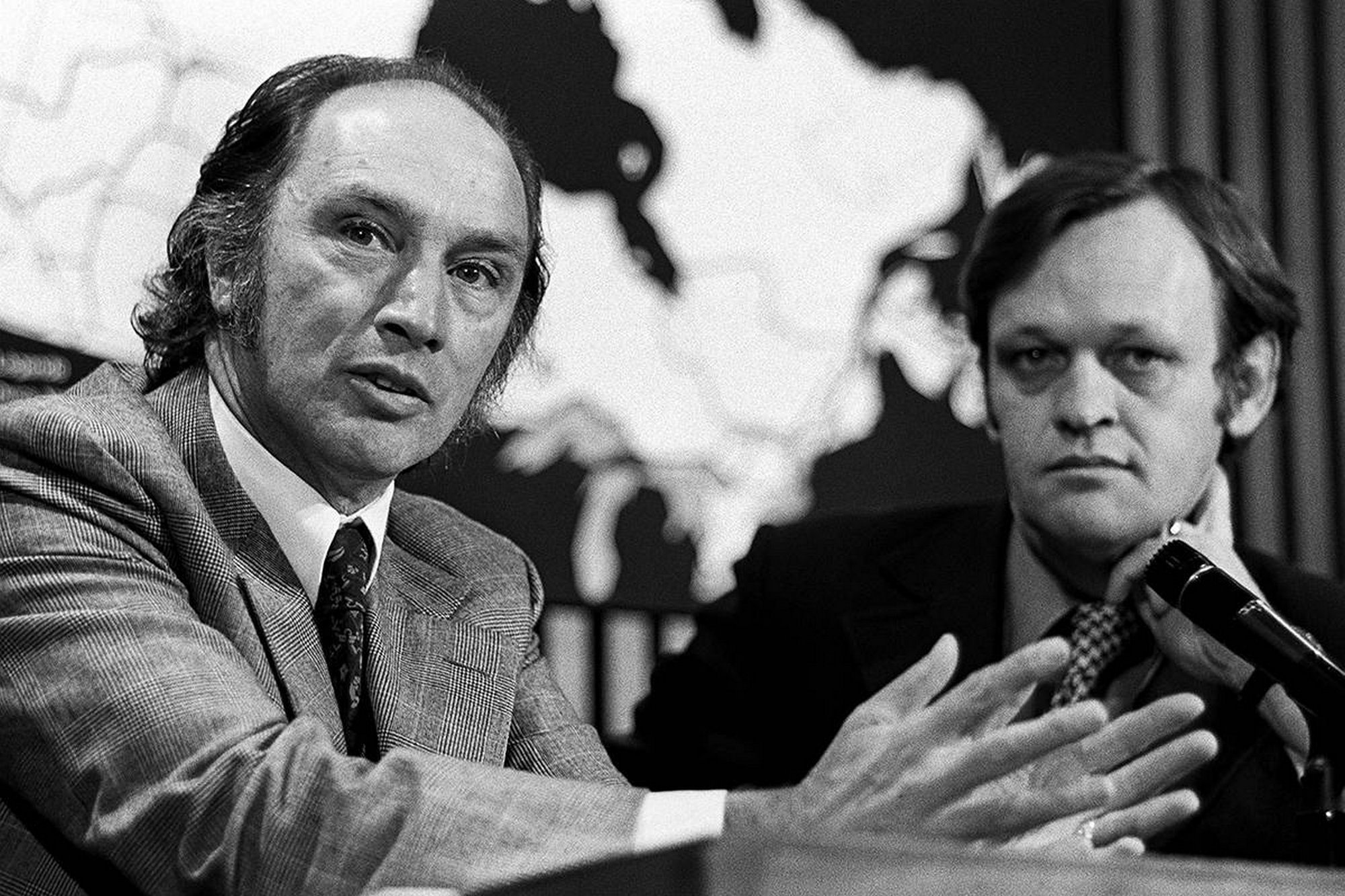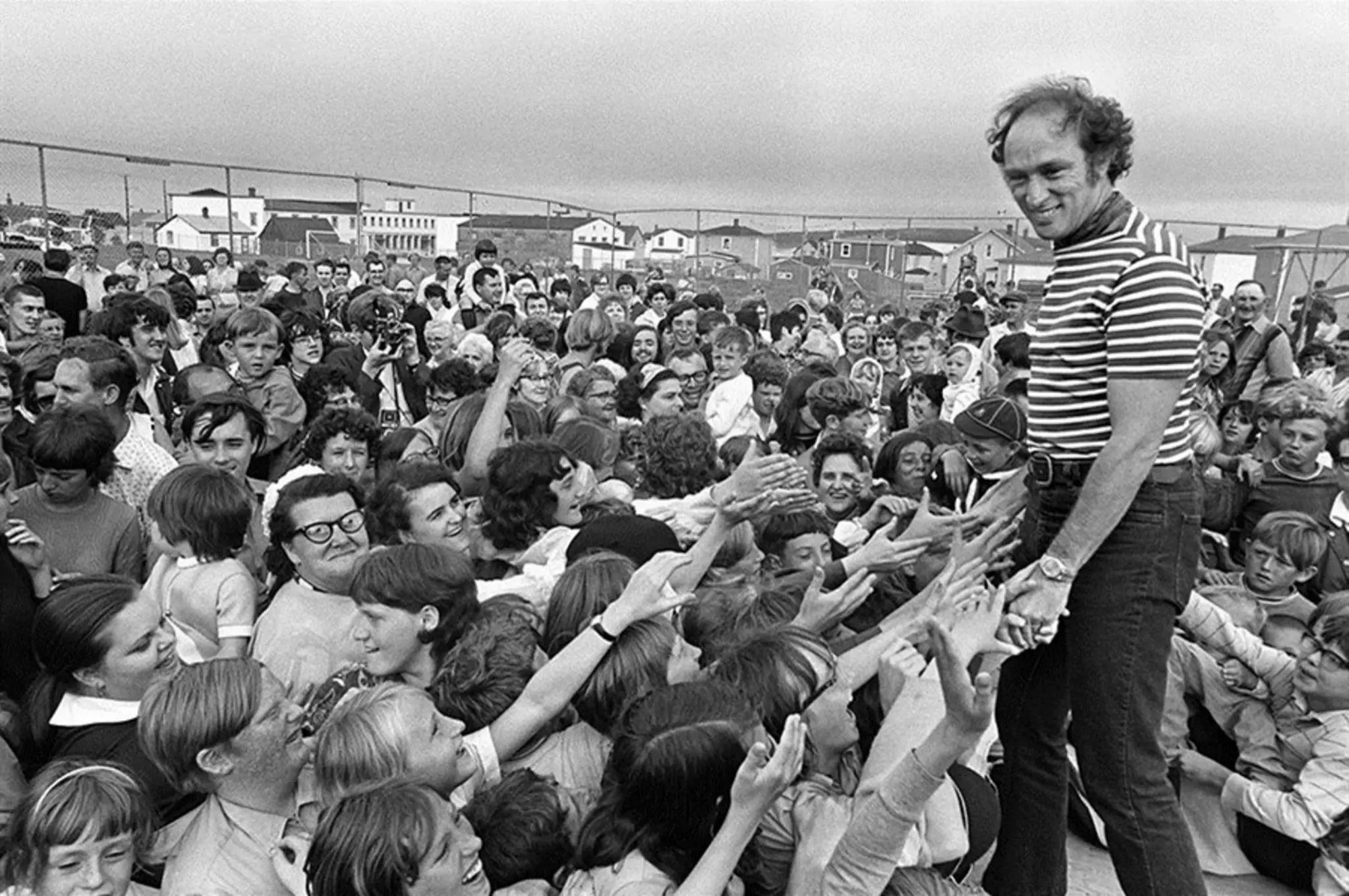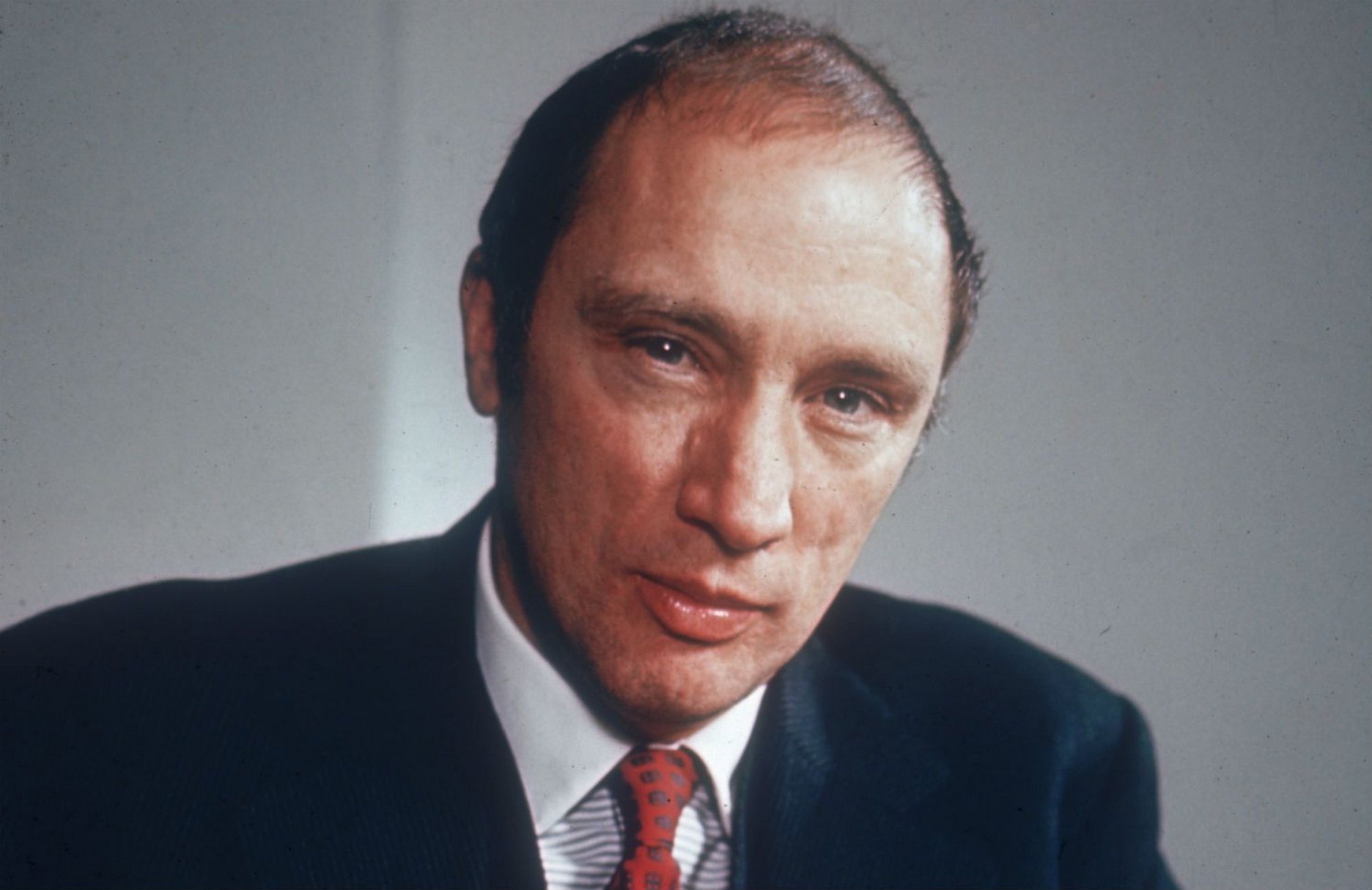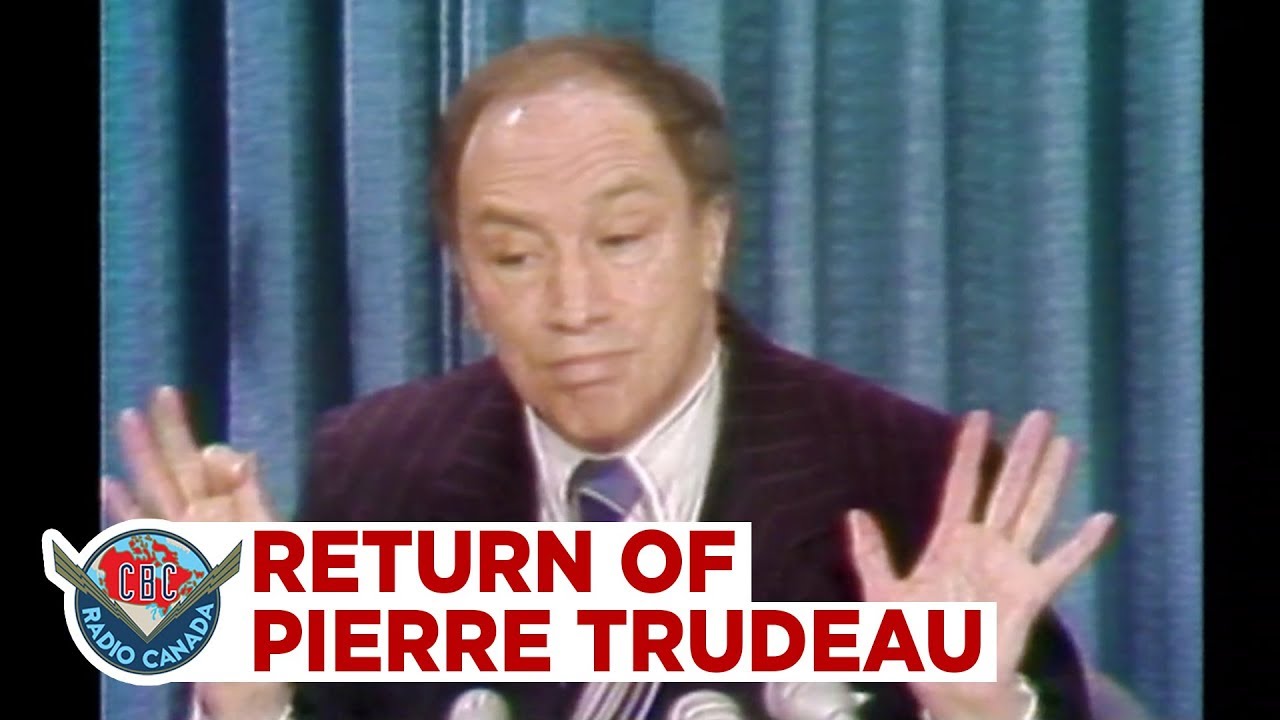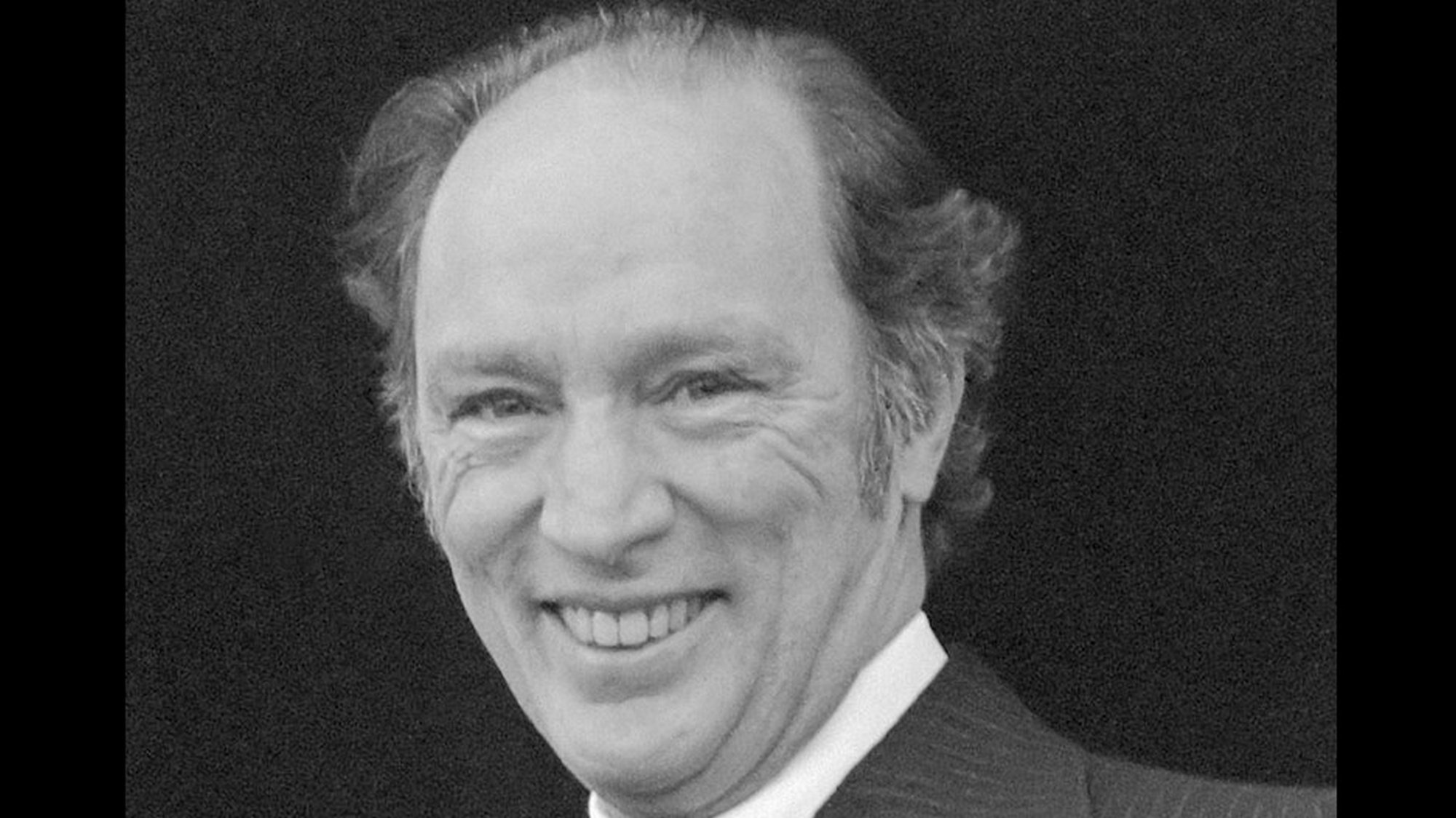
Pierre Elliott Trudeau was Canada’s 15th Prime Minister, serving from 1968 to 1979 and again from 1980 to 1984. He is often remembered for his strong intellect, charismatic personality, and his lasting impact on Canadian politics. Trudeau’s leadership was defined by his efforts to maintain national unity in the face of growing separatist movements in Quebec, as well as his progressive approach to individual rights and social policies.One of his most significant contributions was the enactment of the *Official Languages Act* in 1969, which declared both English and French as Canada’s official languages. This move was central to his broader vision of a bilingual and bicultural Canada, aiming to preserve national unity and mitigate the rising tide of Quebec nationalism.During the October Crisis of 1970, Trudeau invoked the *War Measures Act* in response to the kidnapping of public officials by the Front de libération du Québec (FLQ), a radical separatist group. This marked the only time in Canadian history that the Act was used in peacetime, leading to widespread arrests and a heavy police presence, which was controversial but solidified Trudeau’s reputation for decisiveness.Trudeau’s approach to federalism and individual rights culminated in his greatest legacy: the patriation of the Canadian Constitution in 1982, which included the *Charter of Rights and Freedoms*. This ensured fundamental rights for all Canadians, including freedoms related to speech, religion, and equality before the law. It remains a cornerstone of Canadian law and society.Economically, his administration faced challenges. Trudeau adopted interventionist policies in response to rising inflation and unemployment during the 1970s, such as wage and price controls, but struggled with growing deficits. His implementation of the *National Energy Program* in 1980 also sparked tensions, particularly in the oil-producing provinces of Alberta, as it was seen as an attempt to centralize control over energy resources.Despite his political successes, Trudeau’s leadership style was often polarizing. He famously dismissed his critics with the phrase “Just watch me,” reflecting his confidence and willingness to push through tough decisions. His international stance was marked by a focus on Canada’s independence from both U.S. and British influence, pursuing closer ties with developing nations and promoting Canada as a middle power.Trudeau’s influence on Canadian politics and identity remains profound, and his vision of a multicultural, bilingual, and rights-oriented Canada continues to resonate. His son, Justin Trudeau, followed in his footsteps, becoming Prime Minister in 2015.
The past is to be respected and acknowledged, but not to be worshipped. It is our future in which we will find our greatness.