- Traditional Burial
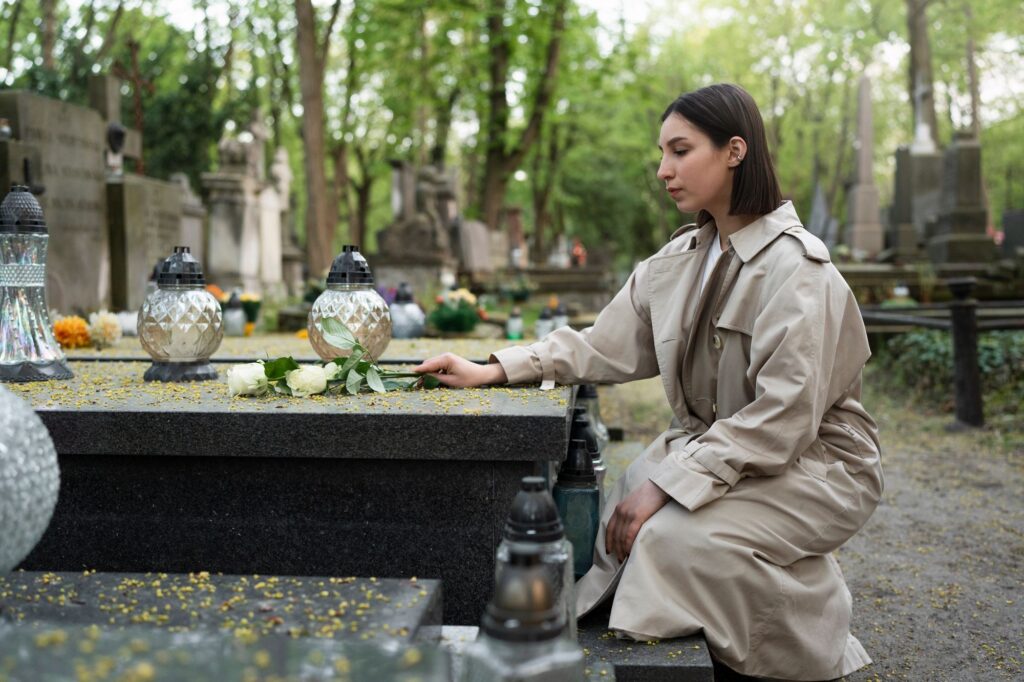
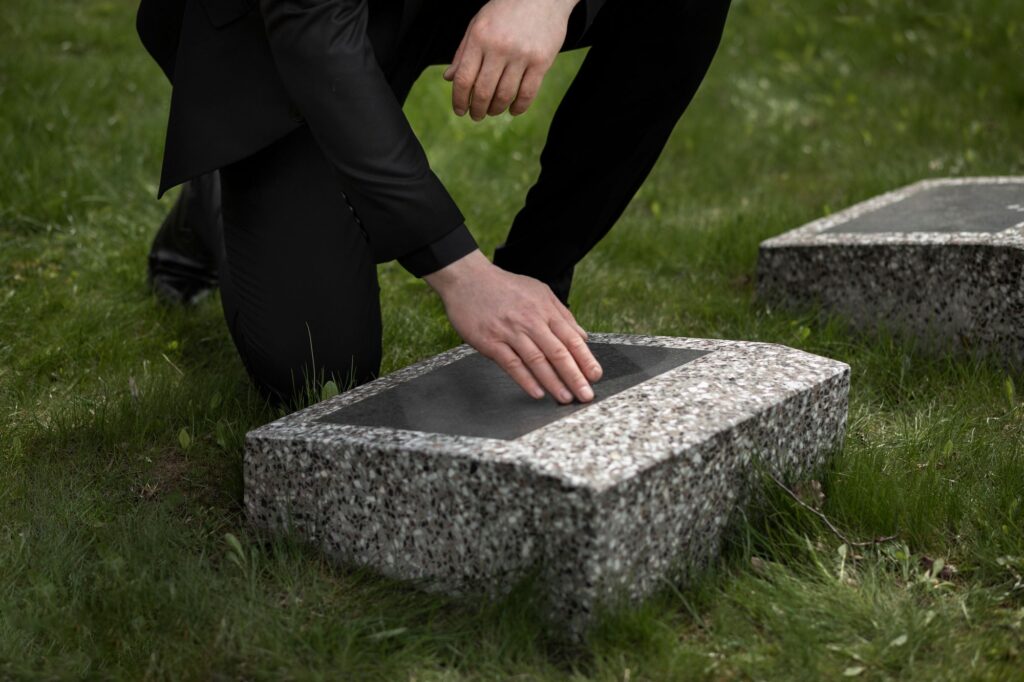
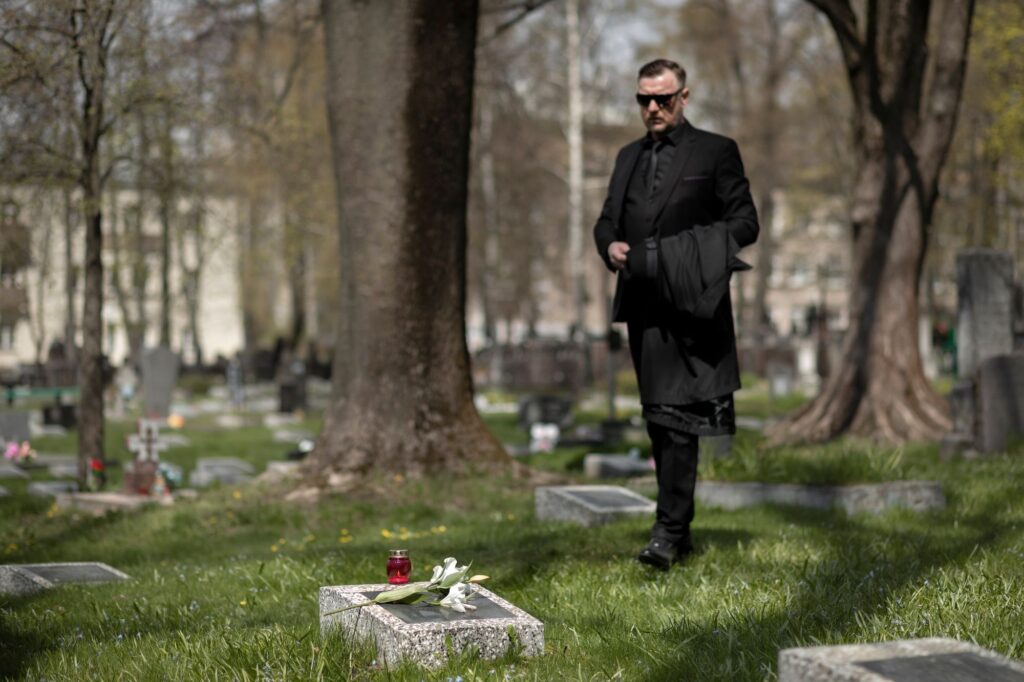
In-Ground Burial: This is the most common method. The deceased is buried in a cemetery plot. Families can choose a headstone or monument to mark the grave.
Family Plots: Some families have dedicated family plots where multiple generations are buried together.
- Cremation
Cremation: The body is cremated, and the ashes are placed in an urn. Families can keep the urn at home, scatter the ashes in a meaningful location, or bury them in a cemetery.
Memorial Services: A memorial service can be held after cremation, allowing family and friends to gather and remember the deceased.
- Green Burial
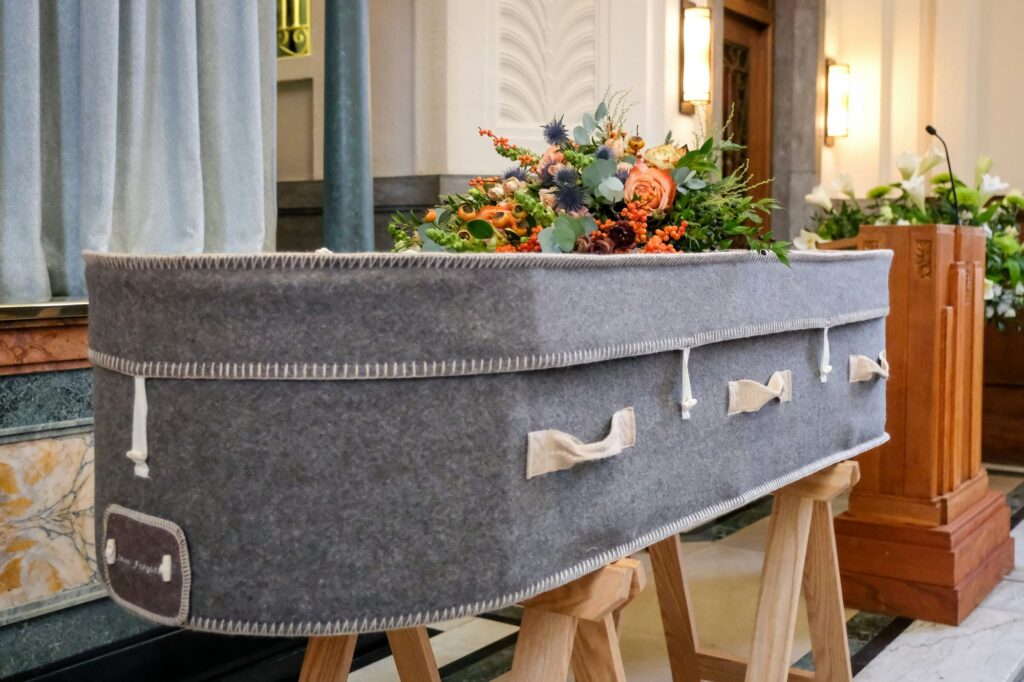
Eco-Friendly Option: Green burial focuses on minimal environmental impact. The body is buried in a biodegradable casket or shroud without embalming chemicals.
Natural Burial Grounds: Look for natural burial grounds that adhere to eco-friendly practices.
- Mausoleum Burial
Above-Ground Burial: Mausoleums are structures where caskets are placed in crypts or niches. They can be indoor or outdoor.
Community Mausoleums: Some mausoleums are community-based, allowing families to share a space.
- Home Burial
Legal Considerations: Home burial involves burying the deceased on private property. Check local laws and regulations before choosing this option.
Personal Connection: Some families find comfort in having their loved one close by.
- Donating the Body
Medical Research or Education: Donating the body to medical schools or research institutions can contribute to scientific knowledge.
Advance Planning: Discuss this option with your relative in advance, as it requires consent.
- Cultural and Religious Practice
Customs and Beliefs: Consider your family’s cultural and religious practices. Some traditions have specific guidelines for burial.
- Personal Preferences
Pre-Planning: If possible, discuss burial preferences with your relative before their passing.
Memorialization: Think about how you want to honor their memory—through a memorial service, a monument, or other means.
Remember that there is no one-size-fits-all answer. Each family’s situation is unique, and the best choice is the one that aligns with your loved one’s wishes and your own feelings of comfort and closure.