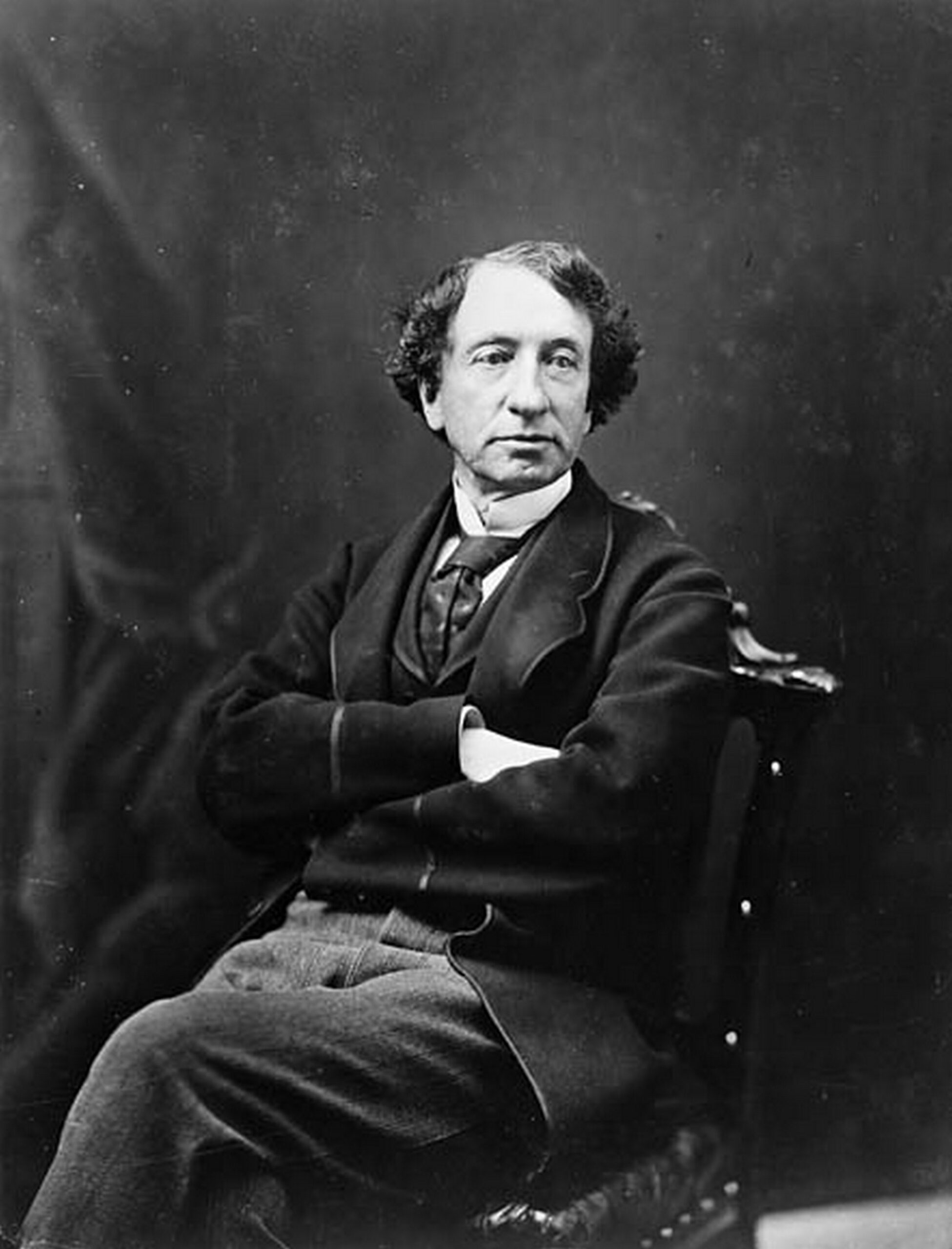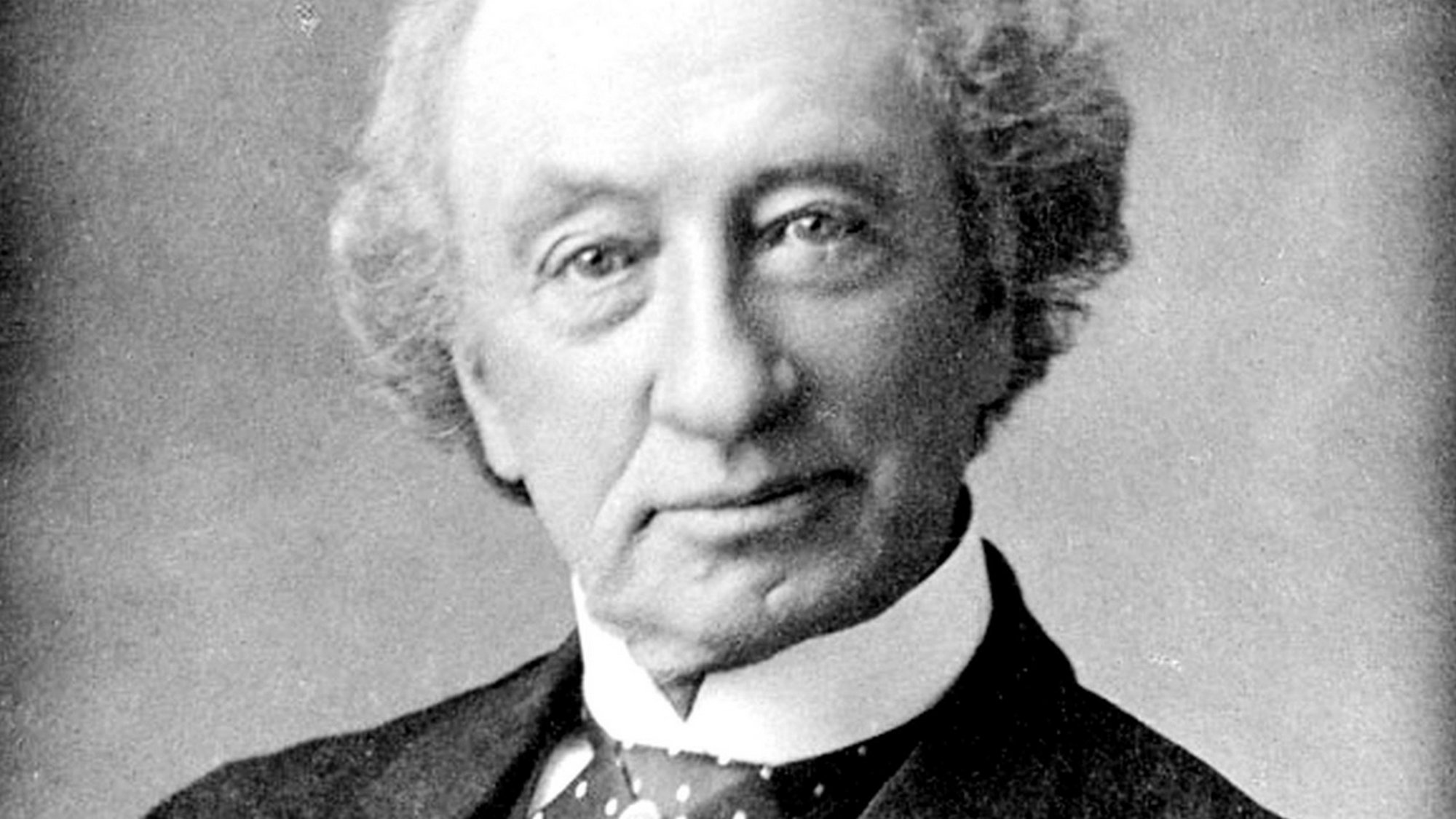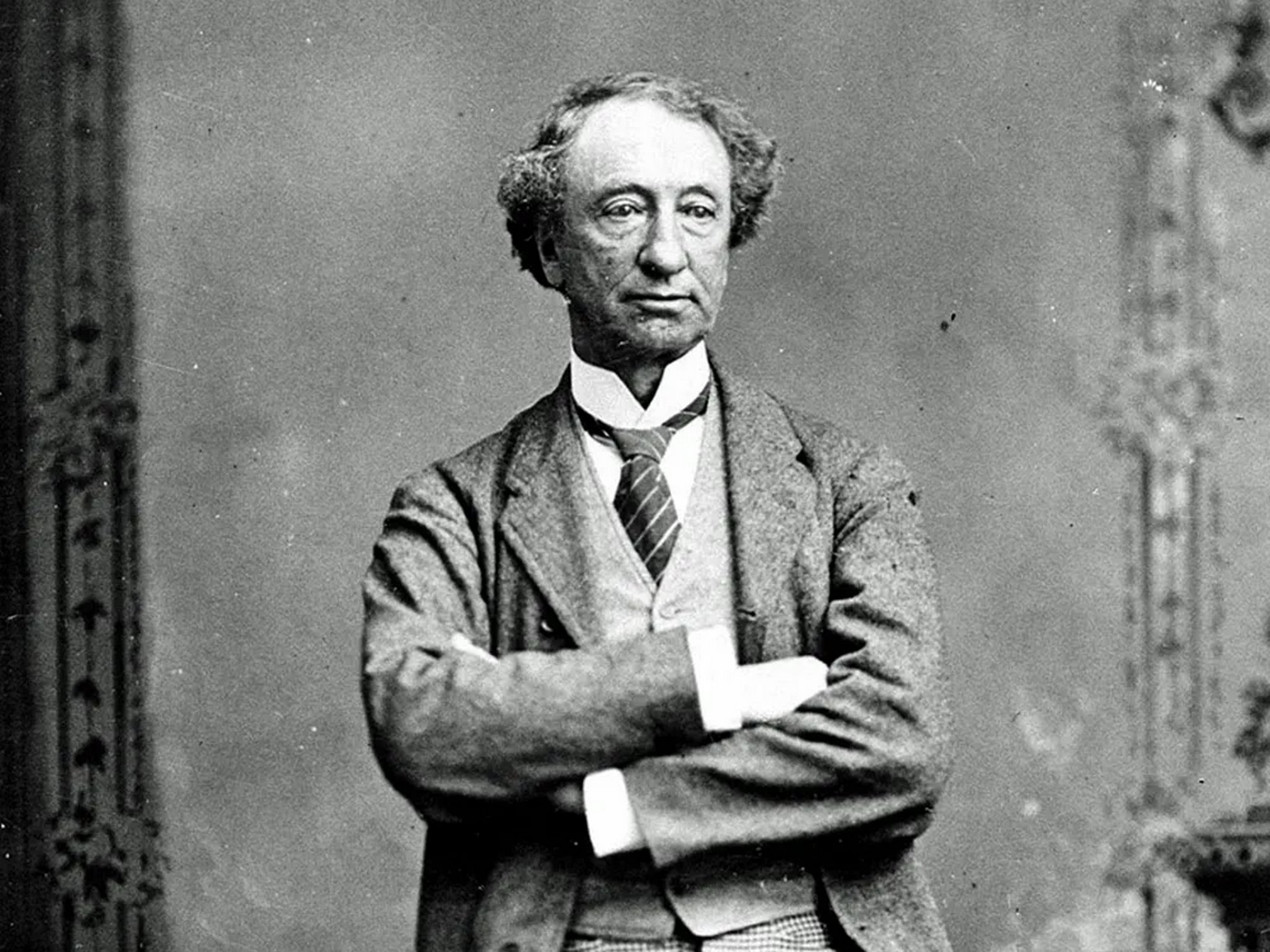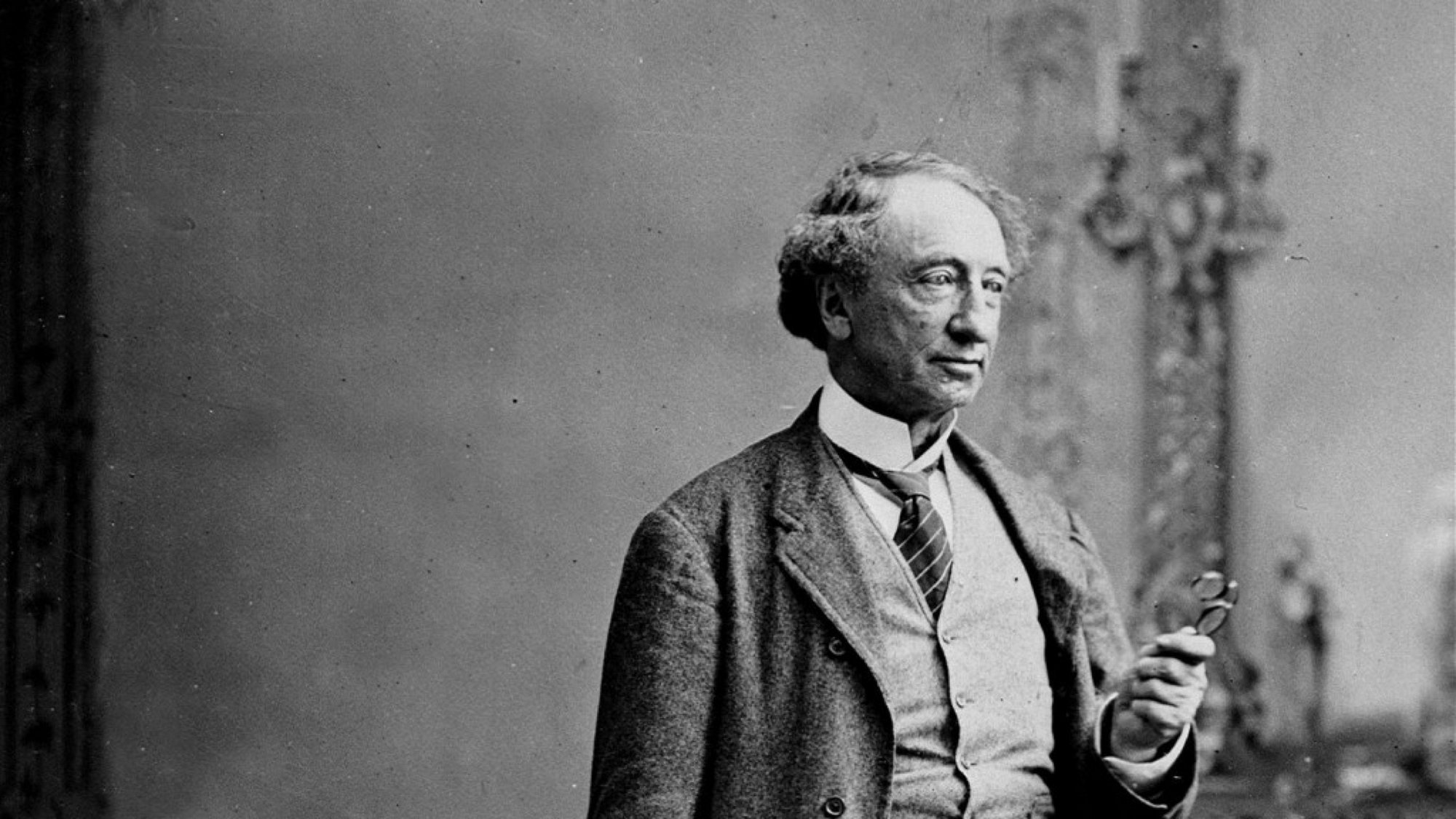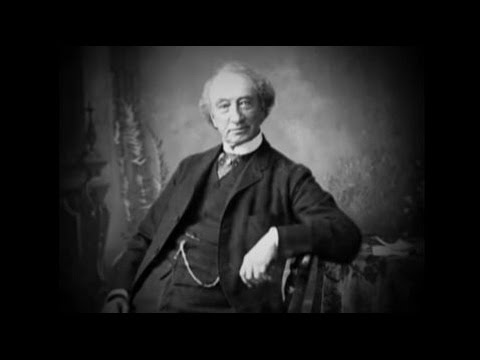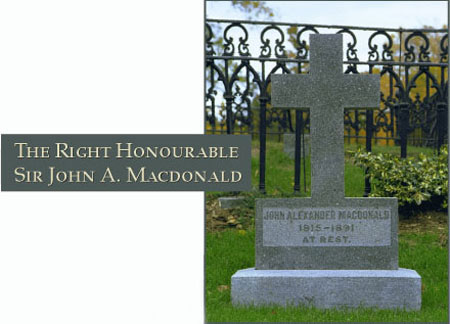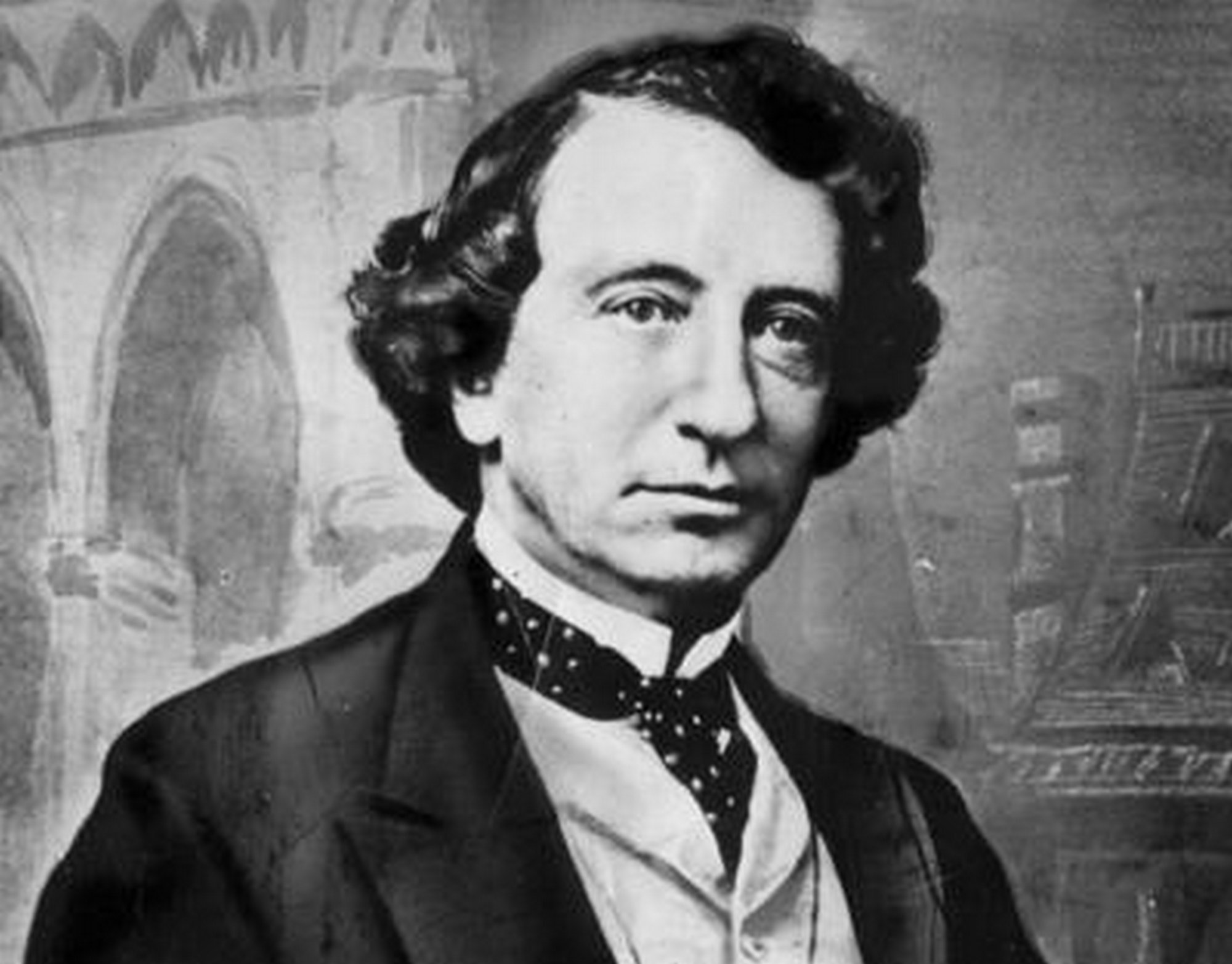
Sir John A. Macdonald was the first Prime Minister of Canada and a principal architect of the Canadian Confederation. Born on January 11, 1815, in Glasgow, Scotland, Macdonald immigrated to Kingston, Upper Canada, with his family when he was just five years old. He trained as a lawyer and quickly became involved in public life, earning a reputation as a shrewd and pragmatic politician.Macdonald’s early political career in the 1840s and 1850s saw him rise through the ranks in the Province of Canada’s legislature. A master of coalition-building, he was able to navigate the political divisions between French and English Canada, recognizing the need for compromise in order to achieve larger goals. This ability to unite opposing factions would become essential during the Confederation process in the 1860s.Architect of ConfederationBy the mid-1860s, Macdonald had emerged as a leader in the movement to create a unified Canada. The various British colonies in North America were economically and militarily vulnerable, and there was increasing pressure to unify these colonies into a single nation. Macdonald was instrumental in negotiating the terms of Confederation, working closely with leaders from the provinces of Quebec (then Canada East), Ontario (Canada West), New Brunswick, and Nova Scotia. His vision of a strong, centralized government was a driving force behind the British North America Act, which was passed in 1867, officially creating the Dominion of Canada.On July 1, 1867, Macdonald became Canada’s first Prime Minister, overseeing a fledgling country with vast geographical challenges and regional divisions. He worked to expand the nation’s borders and to establish key institutions that still define Canada today.Nation-Building and the Transcontinental RailwayOne of Macdonald’s most ambitious projects as Prime Minister was the creation of a transcontinental railway, which he saw as vital to uniting the disparate regions of Canada. The Canadian Pacific Railway, completed in 1885, linked Eastern Canada to the Pacific coast and helped secure British Columbia’s entry into Confederation. This vast infrastructure project was a symbol of Macdonald’s commitment to building a strong and unified Canada, though it also exposed his government to accusations of corruption during the Pacific Scandal, which temporarily cost him the office of Prime Minister in 1873.Indigenous Policies and ControversyMacdonald’s legacy is also marred by his policies toward Indigenous peoples. His government oversaw the signing of several treaties with Indigenous nations but also implemented the residential school system, which aimed to assimilate Indigenous children into European-Canadian culture, causing generational trauma. Additionally, Macdonald’s policies during the North-West Rebellion of 1885, including the execution of Métis leader Louis Riel, remain a point of significant controversy.Later Years and LegacyReturning to power in 1878 after a brief hiatus, Macdonald continued his efforts to strengthen Canadian sovereignty and expand the country’s territories. His “National Policy,” which focused on economic protectionism through tariffs, was designed to stimulate Canada’s economy and develop its industries.Macdonald remained Prime Minister until his death on June 6, 1891. His contributions to the creation of Canada and its early development as a nation are undeniable, but his legacy remains complex. While he is celebrated as a nation-builder, his policies, particularly regarding Indigenous peoples, have faced increasing criticism in modern times.Macdonald’s vision of a united, independent Canada shaped the country in profound ways, and his impact continues to influence Canadian political life and identity.
Anybody may support me when I am right. What I want is someone that will support me when I am wrong.