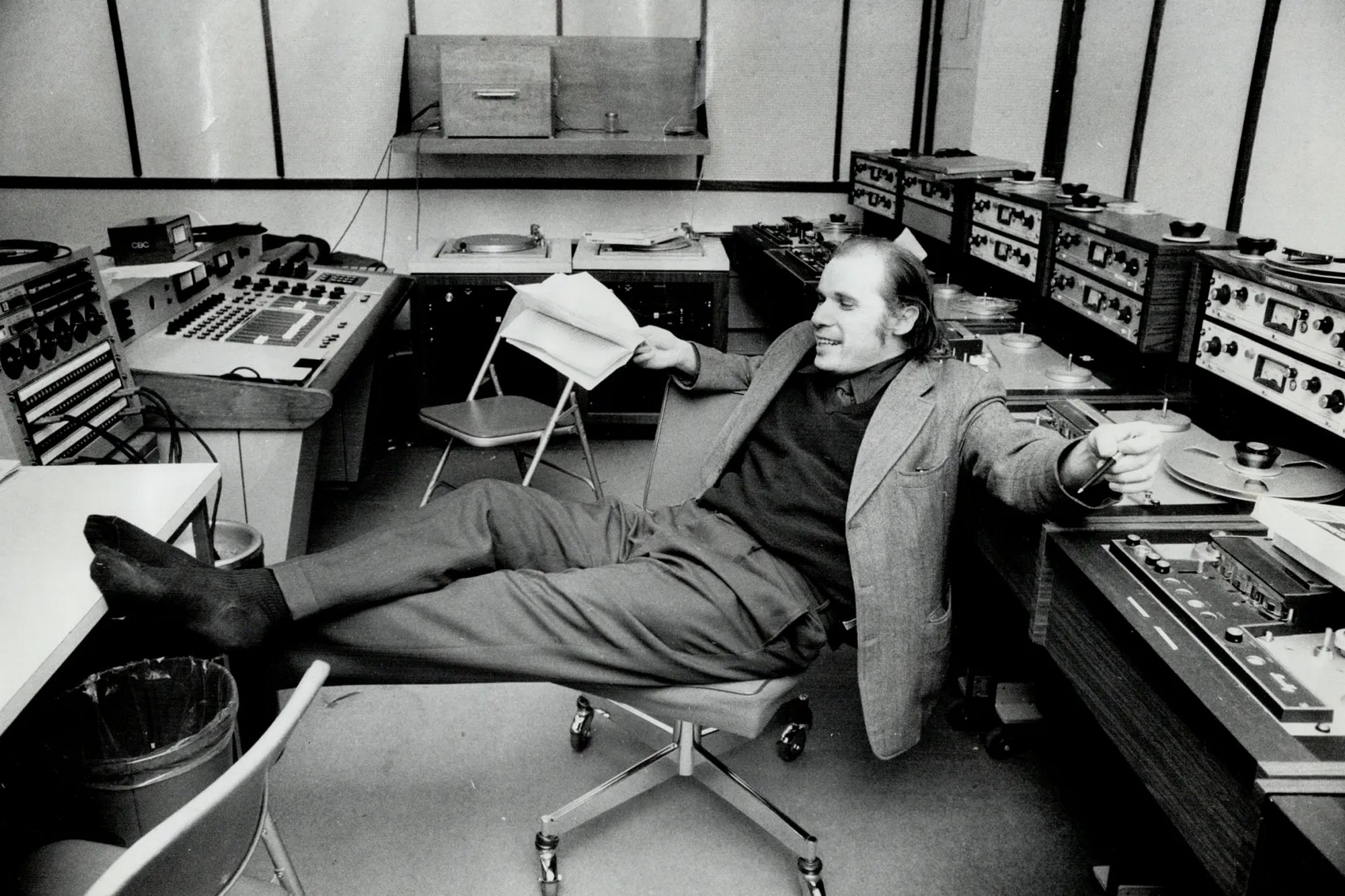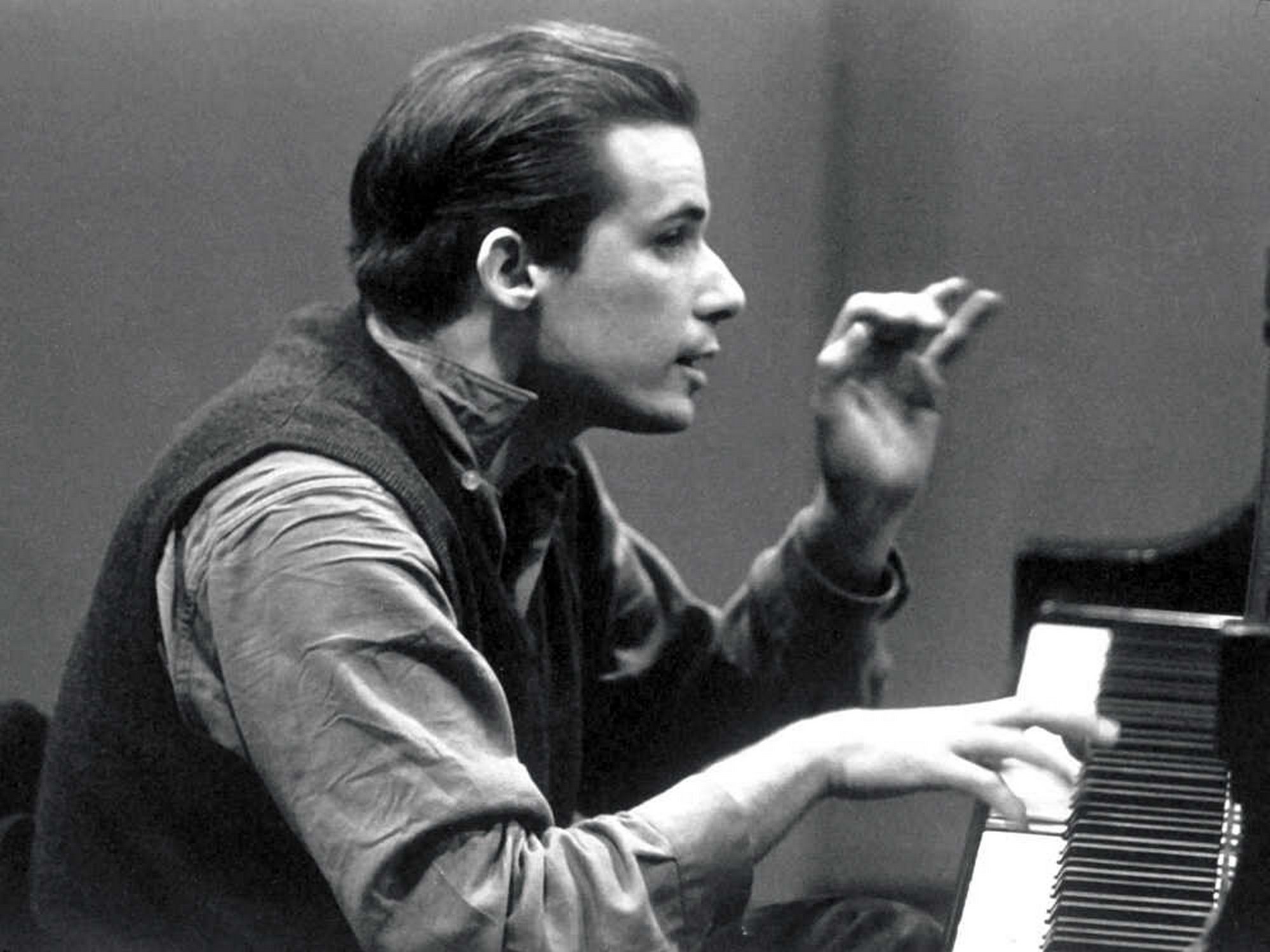
Glenn Herbert Gould (1932–1982) was a Canadian pianist, composer, and one of the most iconic and eccentric classical musicians of the 20th century. Born on September 25, 1932, in Toronto, Ontario, Gould showed prodigious musical talent from an early age. His mother, who was an accomplished pianist, began teaching him at a young age, and by the age of 10, he was attending the Royal Conservatory of Music in Toronto, where he studied with noted teacher Alberto Guerrero.Gould quickly gained recognition for his technical brilliance, unique interpretations, and unconventional playing style, characterized by his highly idiosyncratic posture at the piano, sitting very low and almost hunching over the keyboard. His breakthrough came in 1955 when he made his American debut in Washington, D.C., followed by a legendary 1955 recording of Johann Sebastian Bach’s Goldberg Variations, which catapulted him to international fame. The recording remains one of the most celebrated interpretations of Bach’s work and solidified Gould’s reputation as a master of counterpoint and a specialist in Baroque music.Though famous for his Bach interpretations, Gould’s repertoire spanned a wide range of composers, including Beethoven, Mozart, and Schoenberg. He often favored lesser-known works and displayed a preference for studio recording over live performance. In fact, Gould was famously known for his decision to stop giving live concerts in 1964, at the age of 31, due to his discomfort with the concert environment and a desire for greater control over the music-making process. He believed the recording studio allowed him to achieve a more perfect and precise interpretation of music.Gould was also a renowned writer and broadcaster, producing a series of innovative radio documentaries for the Canadian Broadcasting Corporation (CBC) known as the “Solitude Trilogy,” which explored themes of isolation, the North, and the creative process. His broadcasts and writings revealed his wide-ranging intellect, encompassing subjects such as philosophy, technology, and the nature of performance.Gould’s eccentricities were legendary: he was known for wearing gloves and heavy clothing even in warm weather, his obsession with hygiene, and his habit of humming along while playing the piano, which can often be heard in his recordings. Despite his reclusive tendencies and sometimes controversial interpretations, his genius was widely acknowledged, and he had a profound influence on both the world of classical music and the broader cultural landscape.Gould died on October 4, 1982, in Toronto, following a stroke. He left behind a legacy of groundbreaking recordings and a profound impact on the performance and interpretation of classical music.
Isolation is the indispensable component of human happiness.